
Sedation Dentistry
You can relax knowing we do provide Sedation Dentistry.
If dental anxiety has been holding you back, you’re not alone. At select locations, conscious sedation is available to help you stay calm and comfortable during treatment, with trained teams who guide you every step of the way.
Talk with your local office to see which sedation options may be right for you.
Estimated Price

Conscious sedation can keep your visit a calm one.

Worry less

Stay in control

Feel little to no pain

Get a healthier mouth
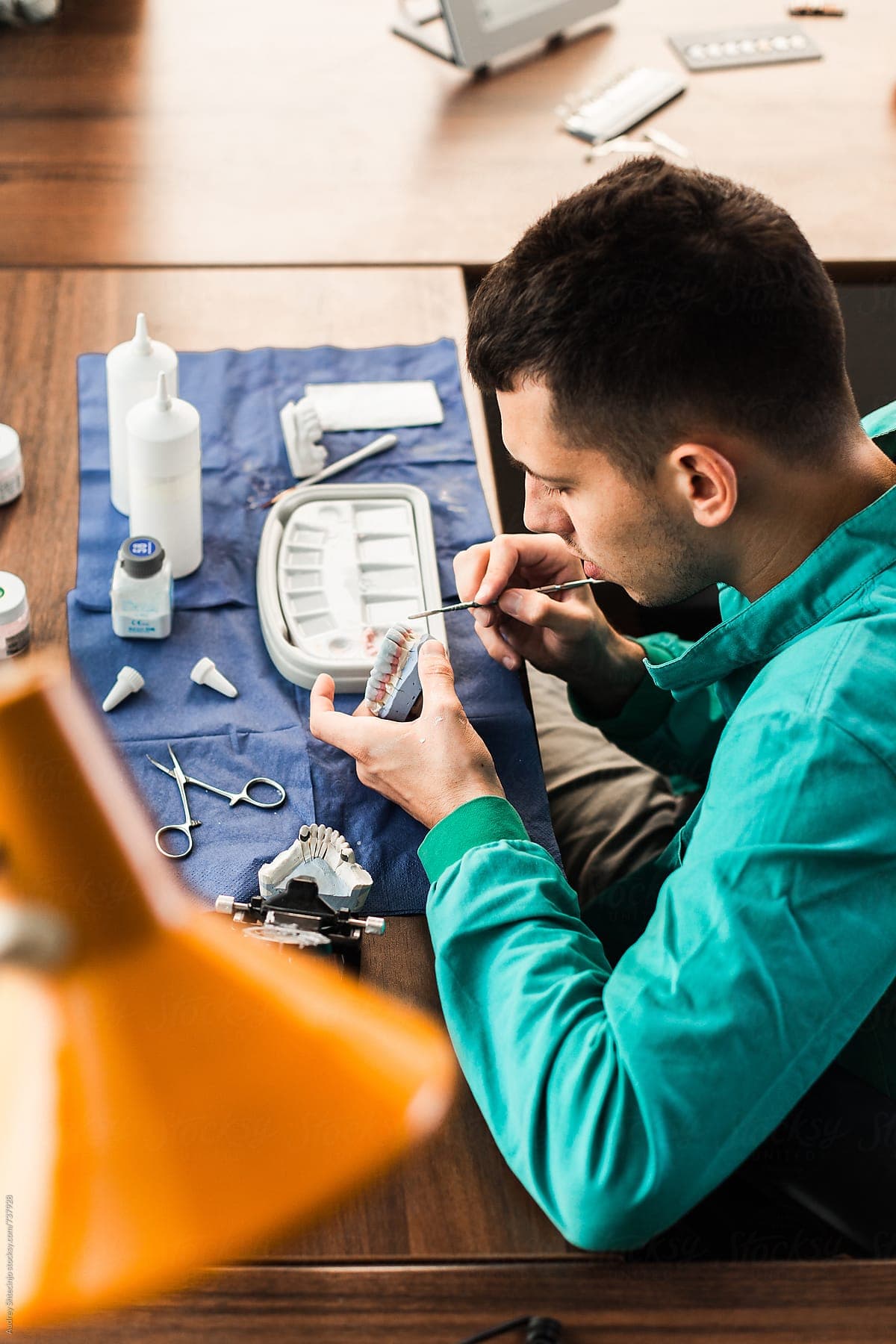
If you’re taking steps toward a healthier mouth, you should only feel relief.
Under conscious sedation, you’ll be able to hear, see and respond to the action taking place around you in the dental office, but you’re much less likely to experience anxiety from it. This also reduces your sense of pain. Sedation options vary by location, so please contact your local office to confirm availability.
We offer three types of conscious sedation:
Oral sedation
Inhalation sedation
IV sedation
"Was very comfortable, and felt like I meant something."
– Linda, Affordable Dentures & Implants Patient

Get life-changing denture and dental implant solutions that work for your budget.
Everyone deserves their best smile—so we do our best to make all of our treatments affordable for all. That includes accepting multiple financing options and standing behind our work.
Most major dental insurance accepted
CareCredit financing with low or no interest
Flexible payment plans
100 Day Satisfaction Guarantee
All treatments backed by our limited warranty
Let’s stay in touch.
Get news, articles, and helpful information delivered directly to your inbox.
See answers to frequently asked questions.
Yes, some locations offer sedation options to help you feel calm, comfortable, and supported during dental treatment.
Depending on the office, your treatment needs, and your health history, sedation options may include conscious sedation, oral sedation, or inhalation sedation. These approaches are designed to ease anxiety, reduce stress, and make dental care more manageable—especially if you feel nervous about dental visits or need more involved treatment.
Sedation isn’t one-size-fits-all. Your dentist will take the time to review your medical history, talk through your comfort level, and explain whether sedation is appropriate for you. If it is, they’ll walk you through what to expect before, during, and after your visit—so there are no surprises and you can move forward with confidence.
Conscious sedation is a sedation option designed to help you feel calm, relaxed, and at ease during dental treatment—without putting you fully to sleep.
While under conscious sedation, you’ll remain awake and able to hear, see, and respond to your dentist and the team. The difference is that anxiety is significantly reduced, and many people feel detached from the procedure or remember very little afterward. It can also lessen your perception of discomfort, making treatment feel easier and more manageable.
In dentistry, conscious sedation is typically provided in one of three ways:
Oral sedation – medication taken before your appointment to help you feel relaxed
Inhalation sedation – a calming gas you breathe in during treatment
IV sedation – medication delivered through an IV for deeper relaxation while still responsive
Not every sedation option is offered at every location, and not every patient is a candidate. Your dentist will review your health history, comfort level, and treatment needs to determine whether conscious sedation is appropriate for you and which option makes the most sense.
The goal is simple: to help you receive the care you need in a way that feels safe, comfortable, and stress-free.
Oral sedation is a commonly used option for patients who want to feel more relaxed during dental treatment and prefer a simple, non-invasive approach.
Advantages of oral sedation
Oral sedation is easy to administer—you take a prescribed pill before your appointment to help reduce anxiety and promote a calm, relaxed feeling. It works well for many people and can be especially helpful if you feel nervous about dental procedures or have difficulty sitting through longer visits.
Disadvantages of oral sedation
Once oral sedation takes effect, the level of sedation can’t be easily adjusted during the procedure. Because the medication can cause lingering drowsiness, you’ll need someone to drive you to and from your appointment. You may also be advised to rest for the remainder of the day after treatment.
Your dentist will review your health history and treatment needs to determine whether oral sedation is a safe and appropriate option for you and explain what to expect before, during, and after your visit.
Oral sedation helps you feel calm and deeply relaxed before and during your dental visit.
Before your appointment, your dentist will prescribe a pill for you to take—typically about an hour before you arrive at the office. Because the medication causes drowsiness, you’ll need someone to drive you to and from your appointment.
When you arrive, you’ll be awake but very relaxed. Many people describe feeling sleepy, carefree, and less aware of what’s happening around them. Throughout your visit, the dental team will carefully monitor your vital signs to ensure your safety and comfort.
Oral sedation doesn’t numb pain on its own, so local anesthetic is still used to keep you comfortable during treatment. Because you’re so relaxed—and because gentle, painless injection techniques are used—many people don’t remember being numbed at all. In fact, it’s common to remember very little about the visit overall.
After treatment, your companion will take you home. As the sedation wears off, most people feel comfortable and stress-free, but you’ll need to rest for the remainder of the day and avoid driving or operating machinery for up to 24 hours.
Your dentist will review your health history and explain everything in advance, so you know exactly what to expect and can feel confident choosing oral sedation as part of your care.
Inhalation sedation—often called nitrous oxide or “laughing gas”—is a common option for patients who feel nervous about dental care and want help relaxing during treatment.
Advantages of inhalation sedation
This type of sedation works well for mild to moderate dental anxiety. It takes effect quickly, helping you feel calm within minutes, and the level of sedation can be adjusted throughout your visit. It can be used for both short and longer appointments, depending on your treatment needs. One of the biggest benefits is convenience—once the sedation is stopped, the effects wear off quickly, allowing most people to drive themselves home and return to normal activities the same day.
Disadvantages of inhalation sedation
Inhalation sedation isn’t the right choice for everyone. It may not be recommended for people with certain respiratory conditions, such as asthma or emphysema, or for women in their first trimester of pregnancy. It’s also best suited for lighter levels of anxiety, so patients with severe dental fear may need to explore other sedation options.
Your dentist will review your health history, comfort level, and treatment plan to determine whether inhalation sedation is a safe and appropriate option for you—and explain any alternatives if needed.
Inhalation sedation—often called nitrous oxide or “laughing gas”—is a gentle, fast-acting way to help you feel calm and relaxed during dental treatment.
When you’re seated for your procedure, your dentist will place a small mask over your nose that delivers a carefully controlled mix of nitrous oxide and oxygen. As you breathe normally, the sedation takes effect quickly. Most people feel relaxed, lighter, and less anxious within minutes, while still remaining awake and able to respond.
Throughout your visit, your dentist can adjust the level of sedation as needed to keep you comfortable. When treatment is finished, the nitrous oxide is turned off and you’ll breathe pure oxygen for a few minutes. This helps the effects wear off quickly.
Once the sedation has fully cleared, you’ll feel alert and back to normal. Many people remember little about the procedure itself, and one of the biggest advantages is convenience—you’re typically able to drive yourself home and resume normal activities the same day.
Your dentist will review your health history and explain whether inhalation sedation is a good option for you, so you can feel confident and at ease before your visit begins.
IV sedation is a deeper form of conscious sedation that helps you feel very relaxed and comfortable during dental treatment.
With IV sedation, medication is delivered through a small needle placed in a vein, typically in the back of your hand or inside your elbow. Because the medication goes directly into your bloodstream, it works quickly and allows your dentist to carefully control the level of relaxation throughout your procedure.
You’ll remain responsive, but most people feel deeply calm and detached from what’s happening around them. Many patients remember little—or nothing—about the procedure afterward. Local anesthetic is still used to prevent pain, but the sedation helps reduce anxiety and makes the overall experience feel much easier.
Because IV sedation takes time to fully wear off, you’ll need someone to drive you to and from your appointment, and you should plan to rest for the remainder of the day. Your dentist will review your medical history and explain whether IV sedation is appropriate for you, along with exactly what to expect before, during, and after your visit.
IV sedation is one of the most effective options for patients who want to feel deeply relaxed and comfortable during dental treatment.
One of the biggest benefits is anxiety relief. IV sedation helps calm dental fear and stress, allowing you to remain relaxed throughout the procedure. Many people feel so at ease that they’re barely aware of the sights, sounds, or sensations of the dental office—while still being able to respond to your dentist when needed.
IV sedation can also be especially helpful if you have a strong gag reflex, difficulty sitting still for longer appointments, or need more complex dental care. Because you’re so relaxed, treatment often feels shorter and more manageable. Many patients remember little to nothing about their visit afterward.
Another key advantage is control. IV sedation allows your dentist to adjust the level of sedation quickly and precisely, increasing or decreasing it as needed to keep you comfortable at every stage of treatment.
For people who want the highest level of relaxation without being fully asleep, IV sedation can make dental care feel far less intimidating—and much easier to get through.
IV sedation can be a good option for many people, but determining whether it’s right for you starts with a thoughtful, personalized evaluation.
During your first visit, your dentist will review your complete health history, talk with you about your comfort level and concerns, and perform an initial oral exam. This helps ensure any recommended sedation option is both safe and appropriate for your needs.
It’s especially important to share all medications and supplements you’re currently taking. This allows your dentist to check for potential interactions and prioritize your safety at every step. In some cases, your dentist may also coordinate with your physician to confirm that IV sedation is a good fit for you.
If IV sedation is recommended, your dentist will explain the process clearly, answer your questions, review consent forms, and provide any pre-appointment instructions so you feel prepared and confident. Safety always comes first—and your care team will make sure you’re fully informed before moving forward.
Your treatment appointment is designed to be calm, safe, and carefully monitored from start to finish.
Before an IV sedation appointment, you’ll be asked not to eat or drink for at least eight hours, and you’ll need a trusted companion to bring you to the office and take you home afterward. These steps help ensure your safety and comfort during sedation.
Once you arrive, the dental team will get you settled and begin monitoring your vital signs, including blood pressure, heart rate, oxygen level, and pulse. After the IV medication is administered, most people begin to feel relaxed and at ease very quickly.
Throughout your appointment, your dentist and team will continue monitoring you closely. When treatment is complete and the sedation medication is stopped, many patients start to feel more alert fairly soon. Recovery time can vary from person to person, but you’ll need to rest for the remainder of the day and avoid driving or operating heavy machinery for at least 24 hours.
Your dentist will review all instructions ahead of time and answer any questions so you know exactly what to expect and can feel confident heading into your appointment.