
Partial Dentures
Keep the teeth you have and seamlessly replace what’s missing with Partial Dentures.
If you’re missing one or several teeth, partial dentures can help you smile, eat, and speak with confidence again—without starting over. We’ll help you find a solution that works with your existing teeth, your timeline, and your budget.
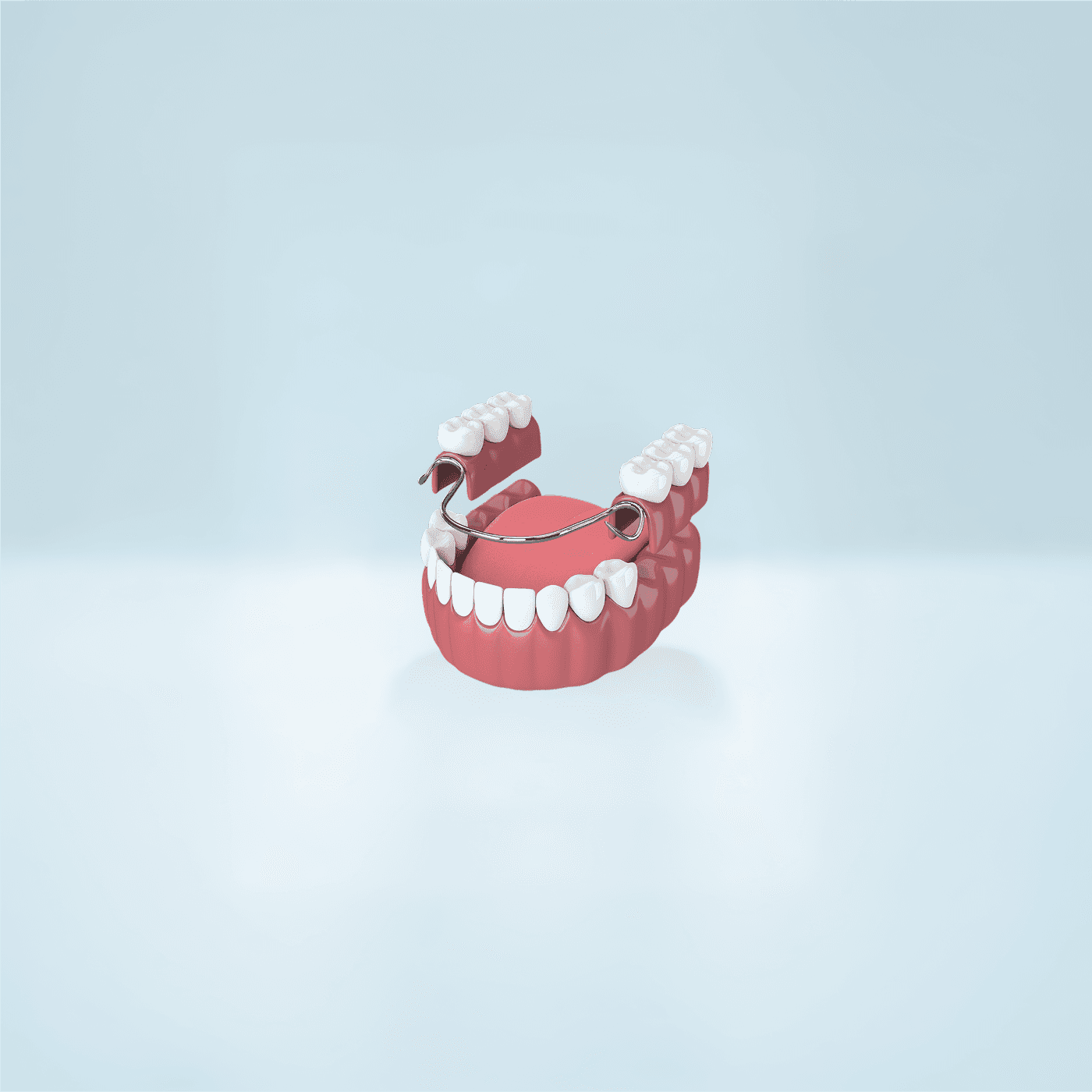
Get a practical, cost-effective way to fill gaps in your smile.

Keep your healthy teeth

Often ready in a day

Cost effective

Get back to your life
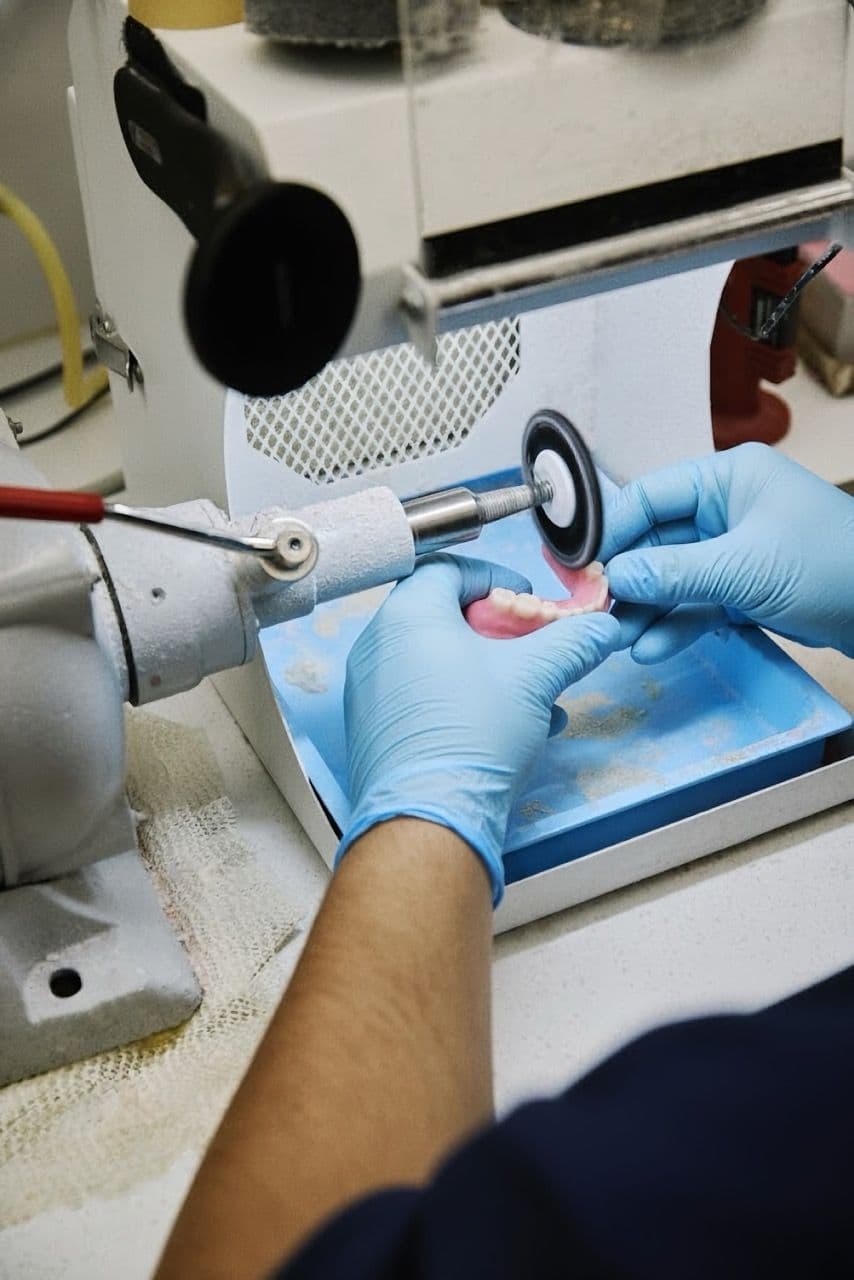
We have options to address what you need most with Partial Dentures.
If you have some healthy teeth and healthy gums, you can take a faster and more economical path to a new you. Whether your concern is long-term wear and strength, a budget-friendly solution with a fast turnaround, or flexibility and a more discreet look, we’ll make the smile you need most.
Cast Metal Partial Denture
Acrylic Partial Denture
Flexible Partial Dentures
"From the moment I stepped in the door until I left, I felt important & heard. They greeted me with warm smiles & comfort. I truly felt like I was in good hands."
– Brandi, Affordable Dentures & Implants Patient
You’ll always know what to expect with your personalized treatment plan.
Free Exam & X-Rays*
After a welcome call, you’ll come in to meet your dentist who specializes in dentures and implants and get a free initial exam and X-rays. (Not offered at all locations, please contact your local clinic for availability.)
We’ll get familiar with your unique challenges and build a plan that addresses all of your tooth replacement needs—as well as your budget concerns.
Together we’ll craft the best possible solution that works with your budget.
* Initial exam costs $1 in Missouri & Illinois. Only for new denture or implant patients.
Preparation For New Teeth
Once we’ve got your plan ready to go, we can take impressions, perform any necessary extractions, and fully prepare your mouth.
Depending on when your appointment is scheduled, we may be able to complete everything in the same day.
Don’t worry, you’ll never leave our clinic without teeth in your mouth.

Healing & Check-Ups
After your procedure, we’ll have you back in to make any necessary adjustments along the way.
Many patients are fully healed after six months, but your dentist will customize treatment that works best for your mouth.
We’ll make final adjustments and you’ll be free to smile with confidence every day.

Free Exam & X-Rays*
After a welcome call, you’ll come in to meet your dentist who specializes in dentures and implants and get a free initial exam and X-rays. (Not offered at all locations, please contact your local clinic for availability.)
We’ll get familiar with your unique challenges and build a plan that addresses all of your tooth replacement needs—as well as your budget concerns.
Together we’ll craft the best possible solution that works with your budget.
* Initial exam costs $1 in Missouri & Illinois. Only for new denture or implant patients.
Preparation For New Teeth
Once we’ve got your plan ready to go, we can take impressions, perform any necessary extractions, and fully prepare your mouth.
Depending on when your appointment is scheduled, we may be able to complete everything in the same day.
Don’t worry, you’ll never leave our clinic without teeth in your mouth.
Healing & Check-Ups
After your procedure, we’ll have you back in to make any necessary adjustments along the way.
Many patients are fully healed after six months, but your dentist will customize treatment that works best for your mouth.
We’ll make final adjustments and you’ll be free to smile with confidence every day.

Our Partial Dentures can change your life without breaking your budget.
Everyone deserves their best smile—so we do our best to make dentures affordable for all. That includes accepting multiple financing options and standing behind our work.
Most major dental insurance accepted
CareCredit financing with low or no interest
Flexible payment plans
100 Day Satisfaction Guarantee
All treatments backed by our limited warranty
Let’s stay in touch.
Get news, articles, and helpful information delivered directly to your inbox.
See answers to frequently asked questions.
Partial dentures are removable dentures designed to replace one or several missing teeth when you still have some healthy natural teeth remaining. They’re used for either the upper or lower arch and help fill gaps in your smile while supporting the teeth around them.
Partial dentures are custom-made to blend in with your natural teeth and help restore everyday function, like chewing and speaking. They also help prevent remaining teeth from shifting out of place, which can happen when gaps are left untreated.
This is a non-surgical solution, although tooth extractions may be needed if there are damaged or unhealthy teeth present. To be a good candidate for partial dentures, the surrounding teeth and gums need to be healthy enough to support the appliance.
Your dentist will evaluate your oral health and explain whether partial dentures make sense for your situation, or if another option may provide better comfort or long-term results.
Neither option is automatically better or more comfortable—it really depends on your individual situation and what your mouth needs.
Both full dentures and partial dentures require a short adjustment period at first. It’s normal for either option to feel a little unfamiliar or slightly uncomfortable in the beginning as your mouth adapts. With proper fit and a bit of time, that discomfort usually fades and everyday activities like eating and speaking become easier.
Full dentures are typically recommended when all natural teeth in an upper or lower arch are missing. Partial dentures are used when you still have some healthy teeth remaining and want to fill in the gaps. In those cases, partial dentures can feel more natural because they work alongside your existing teeth.
Comfort ultimately comes down to proper fit, oral health, and choosing the right solution for your needs. Your dentist will evaluate your mouth, talk through your options, and recommend the type of denture that will provide the best balance of comfort, function, and long-term results for you.
In some cases, yes. A partial denture may be able to be converted into a full denture. This usually happens if someone who started with a partial denture later loses their remaining natural teeth and needs full dentures.
Whether a conversion is possible depends on the condition of the existing partial denture and how it was originally designed. If the partial is still in good shape, your dentist may be able to use parts of it rather than starting completely from scratch. In other situations, creating a new full denture may be the better option for comfort, fit, and long-term function.
Your dentist will evaluate your mouth and your current denture and explain what makes the most sense for your situation. The goal is always to move you into a solution that fits well, feels comfortable, and supports your needs going forward.
Partial dentures work by filling in the gaps left by missing teeth while using your remaining natural teeth for support.
They’re made with replacement teeth attached to a base that’s custom-fit to your mouth. That base may be made from materials like metal, acrylic, or flexible nylon, depending on the type of partial denture recommended. The denture is held in place using clasps or connectors that attach securely to your natural teeth.
Most partial dentures are removable, which means they can be taken out for cleaning and while you sleep. When worn, they help restore chewing and speaking ability and prevent nearby teeth from shifting out of position—something that often happens when gaps are left untreated.
Partial dentures can replace one missing tooth or several, depending on your needs. Your dentist will evaluate your mouth and explain how a partial denture would fit, function, and feel so you know what to expect and can move forward with confidence.
In some cases, yes—certain partial denture solutions can be made in one day.
Whether same-day service is possible depends on the type of partial denture recommended, the condition of your remaining teeth, and your overall oral health. Some situations allow for quicker turnaround, while others may require additional time for planning, adjustments, or fabrication to ensure a proper fit.
The easiest way to get a clear answer is to book an appointment. Your dentist will evaluate your needs, explain what options are available, and walk you through the timing so you know exactly what to expect before moving forward.
Partial dentures rely on your remaining natural teeth for support, so you’ll need several healthy teeth for a partial denture to attach to securely.
In general, having strong back teeth (molars) is helpful because they tend to provide better support than front teeth. That said, every mouth is different. As long as there are enough healthy teeth in the arch to anchor the partial denture, it may still be an option.
Partial dentures are designed per arch, meaning you can have one partial denture for the upper arch or one for the lower arch. They can replace just one or two missing teeth, or several, depending on what you need.
Your dentist will evaluate the number, location, and condition of your remaining teeth and explain whether a partial denture is a good fit—or if another solution would provide better comfort and long-term results.
When properly designed and fitted, the metal clasps on partial dentures should not damage your natural teeth. They’re carefully shaped to hold the denture securely while protecting the teeth they attach to.
Comfort and fit are key. If a partial denture fits well and is kept clean, the clasps shouldn’t cause harm. However, if you notice discomfort, rubbing, or changes in how the denture feels, that’s a sign it may need an adjustment.
Your dentist can make small changes to improve fit and relieve pressure before it becomes a bigger issue. If something doesn’t feel right, it’s best to have it checked early so your teeth and gums stay healthy and comfortable.
In many cases, yes. You may still be able to get a partial denture even if you don’t have back teeth, as long as you have some healthy natural teeth remaining to help support it.
Partial dentures can be designed to replace missing back teeth, front teeth, or even a single tooth. The key factor is whether there are enough stable teeth in the arch to help anchor the denture securely and comfortably.
Because every mouth is different, your dentist will evaluate the number, position, and condition of your remaining teeth and explain whether a partial denture will work well for you—or if another option would provide better support and function. The goal is always to choose a solution that feels secure, works comfortably, and fits your long-term needs.
Cleaning partial dentures is similar to caring for natural teeth and helps keep both your dentures and your mouth healthy.
Start by rinsing your partial dentures with warm water to remove food particles. It’s a good idea to fill the sink with water or place a towel down first, just in case they slip. Avoid using hot water, as it can damage or warp the denture.
Using a soft-bristled toothbrush, gently brush all surfaces of your partial denture with a non-abrasive cleaner. If your partial denture has metal components, brush carefully around the clasps to avoid bending or damaging them. Rinse thoroughly when finished.
Some partial dentures may be soaked overnight, while others are not designed for soaking. Your dentist will let you know what’s best for your specific denture and how it should be stored when not in use.
Don’t forget about your natural teeth. Brushing and flossing the rest of your mouth every day helps prevent plaque buildup and keeps the teeth supporting your partial denture healthy. Regular checkups allow your dentist to make sure everything stays clean, comfortable, and fitting the way it should.
Partial dentures stay in place by using your natural teeth for support.
Most partial dentures are designed with clasps or connectors that gently attach to nearby teeth. These clasps are custom-fitted to hold the denture securely while still allowing it to be removed for cleaning. When properly designed and adjusted, they help keep the denture stable during normal eating and speaking.
In some cases, denture adhesive can be used for added confidence, especially during the adjustment period. Your dentist can let you know whether that’s helpful for your situation or if the fit alone should provide enough stability.
If a partial denture ever feels loose, shifts, or causes discomfort, that’s a sign it may need an adjustment. Your dentist will make sure it fits comfortably and functions the way it should so you can go about your day with confidence.